Mindfulness Based Stress Reduction
Course description
Table of Contents
Common Misconceptions About MBSR and What’s True
WHY BE A PARTICIPANT IN THIS COURSE?
WHERE, WHEN AND HOW LONG THE CLASSES WILL BE HELD?
Introduction
Introduction to an MBSR Course for Cancer Patients
Welcome to this Mindfulness-Based Stress Reduction (MBSR) course, designed specifically to support individuals navigating the challenges of cancer diagnosis, treatment, and recovery.
MBSR is a structured, evidence-based program developed by Dr. Jon Kabat-Zinn to help people respond to life’s challenges with greater awareness, compassion, and resilience. For cancer patients, it offers a gentle yet powerful way to manage the emotional, physical, and psychological impacts of illness.
This course will guide you through mindfulness meditation, gentle yoga, and mindful movement, all rooted in the practice of paying attention to the present moment without judgment. Over the weeks, you’ll learn skills to reduce stress, anxiety, and fatigue, improve sleep, and foster a greater sense of well-being. Research shows that MBSR can help lower mood disturbances, enhance quality of life, and even support immune and physiological health ZenOnco.io+1.
We will also address common concerns such as fear of recurrence, treatment-related symptoms, and the emotional toll of illness. By cultivating mindfulness, you’ll gain tools to respond to these experiences with greater calm and adaptability, building resilience to help you move through each stage of your journey Hilaris Publishing SRL.
This is a supportive, non-judgmental space where you can explore your own needs, connect with others in similar situations, and integrate mindfulness into your daily life. Whether you’re in active treatment, recovery, or survivorship, these practices can be adapted to your current stage and energy levels.
If you’re ready to learn how to meet challenges with greater serenity and strength, this course is for you.
Mindfulness-based stress reduction (MBSR)
mbsr-empowering-cancer-patients-wellbeing-and-resilience.pdf
The next course will start early September, 2026.
MBSR Course Description
WHAT IS THIS COURSE ABOUT?
Mindfulness-Based Stress Reduction (MBSR) is a supportive program designed to help cancer patients manage stress, anxiety, and physical symptoms through mindfulness meditation, gentle movement, and body awareness.
Welcome to this MBSR course, created to provide you with practical tools to navigate the emotional and physical challenges of cancer treatment. MBSR is an evidence-based program developed by Dr. Jon Kabat-Zinn, and it has been shown to reduce stress, anxiety, depression, and fatigue while improving overall quality of life for individuals facing cancer zenonco.io+2.
By cultivating mindfulness—the practice of paying attention to the present moment with openness and non-judgment—you can learn to respond to difficult experiences with greater calm and resilience.
Throughout this course, you will engage in guided meditation, gentle movement, and body scanning exercises that help you become more aware of your thoughts, emotions, and bodily sensations. These practices are designed to foster self-compassion, patience, and acceptance, allowing you to better manage the psychological and physical effects of cancer and its treatment zenonco.io+1.
Research has shown that MBSR can improve sleep quality, reduce fatigue, and enhance emotional well-being, providing a sense of control and empowerment during a challenging time hilarispublisher.com+1.
This program is suitable for all levels, whether you are new to mindfulness or have prior experience. You will also have the opportunity to connect with others in a supportive group setting, sharing experiences and learning from one another. By the end of the course, you will have a set of practical mindfulness tools that can be integrated into your daily life, helping you navigate cancer treatment with greater ease, clarity, and peace mindfulcancerrecovery.com+1.
We encourage you to approach this course with an open mind and a gentle attitude toward yourself. Remember, mindfulness is a personal journey, and even small, consistent practices can make a meaningful difference in your well-being.
It is recommended that you acquire the book Picking Up the Pieces by Sheeri Magee, PhD and Kathy Scalzo, M.S.O.D. It is filled with guidance and questions that will be helpful to you, not only during this course but throughout the rest of your life.
Common Misconceptions About MBSR and What’s True
Many people hear about Mindfulness-Based Stress Reduction (MBSR) but misunderstand what it actually teaches and how it works. Here are some of the most common misconceptions and the facts behind them.
- “You have to clear your mind”
A frequent myth is that mindfulness means emptying your thoughts. In reality, MBSR teaches you to notice thoughts without judging or trying to stop them. The goal is not to erase mental noise, but to relate to it differently, creating space between stimulus and reaction . - “Mindfulness should instantly make you feel peaceful”
Some expect meditation to immediately produce calmness. But MBSR often begins with discomfort — restlessness, sadness, or physical sensations — and learning to sit with these without reacting is part of the process . - “You need to be calm or meditate perfectly”
You don’t need to be peaceful before starting. MBSR is designed for beginners and people who are stressed, anxious, or overwhelmed. The practices are meant to support you as you are, not to transform you into a “perfect” meditator. - “Mindfulness is about sitting cross-legged in silence”
MBSR is secular and flexible. You don’t have to wear special clothes, sit in a certain way, or like meditation at first. It can include mindful movement, body scans, and gentle yoga . - “Mindfulness is a spiritual or religious practice”
MBSR is rooted in secular mindfulness principles developed by Jon Kabat-Zinn, combining elements from Buddhist mindfulness with modern science. It does not require any specific beliefs . - “MBSR is a quick fix or replacement for therapy”
It is not a substitute for medical care or professional mental health support. MBSR is an educational and supportive program that can complement other treatments . - “You must do all the home practice perfectly”
The research shows that consistent daily practice(often 45 minutes, 6 days a week) is key to benefits, but you can start with shorter sessions and build up .
In summary: MBSR is about being present with what’s real, including discomfort, without trying to control or eliminate it. It’s a skill-based practice that develops over time, not a one-time transformation.
YOUR TEACHER
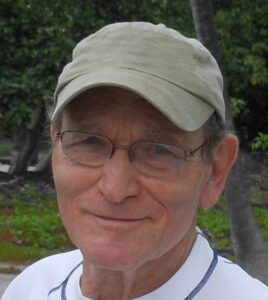
Your journey toward mindfulness will be led by David Steinberg, a dedicated practitioner who has been working toward embodying the teachings of mindfulness since 2009. David has extensive experience in mindfulness, including leading meditation gatherings and founding a local meditation group. He earned certification as a mindfulness teacher and continues to strengthen his mindfulness teaching skills through further education and practice. He aims to make these teachings accessible and relatable for those seeking inner peace and enlightenment.
WHY BE A PARTICIPANT IN THIS COURSE?
Participating in a Mindfulness-Based Stress Reduction (MBSR) course offers a structured, evidence-based way to develop mindfulness skills that can improve your mental, emotional, and physical wellbeing.
- Proven benefits for stress, anxiety, and pain
MBSR is one of the most researched mindfulness programs in the world, with over 1,000 peer-reviewed studies showing it can reduce stress, anxiety, and depression, and improve emotional regulation pausar.co+1. It has also been effective for chronic pain, helping people manage pain intensity and emotional reactivity pausar.co. - Builds present-moment awareness and emotional resilience
The program teaches you to observe thoughts, emotions, and sensations without automatic reaction, creating space between stimulus and response www.simplypsychology.com+1. This can help you respond more deliberately to challenges rather than react impulsively. - Supports brain health
Neuroimaging studies show MBSR can increase gray matter in areas linked to learning, memory, and emotional regulation, and improve self-awareness scienceinsights.org. These changes can lead to a more balanced relationship with stress and difficult emotions. - Integrates into daily life
MBSR is not just meditation — it includes mindful movement, body scans, and applying mindfulness to everyday activities like eating, walking, and working pausar.co. This helps you carry mindfulness skills into your daily routines. - Group support and community
You’ll learn alongside others in a supportive group setting, sharing experiences and challenges. This peer support can make the practice more engaging and sustainable www.simplypsychology.com+1. - Accessible and secular
MBSR is designed to be inclusive, without requiring specific beliefs, and is available in medical, corporate, and community settings www.simplypsychology.com+1. - Long-term self-directed practice
The course provides tools and resources to continue mindfulness practice independently, fostering lasting wellbeing pausar.co.
In short, MBSR offers a comprehensive, research-backed approach to cultivating mindfulness that can reduce stress, improve emotional balance, and enhance overall quality of life — with the added benefit of a supportive learning community.
WHO IS THE COURSE FOR?
This course is now used to address many situations such as everyday stress reduction, pain management, treatment of PTSD, sports, augment medical, physical and mental treatment and mental burnout. The list of uses is already long and growing every day.
Since every human suffers from some of the following conditions:
- difficulty letting go of troubling thoughts and emotions
- lack of awareness of perceptions that are either distorted or not reflective of what is real
- being caught up in thoughts of the past or worries about the future
- lack of awareness of their emotions and the connection they have to bodily sensations
- chronic pain or illness
- having received medical and/or mental treatment that needs to be augmented by the MBSR experience,
they may benefit from this MBSR course.
WHERE, WHEN AND HOW LONG THE CLASSES WILL BE HELD?
| Location:
Our intention is to give the next course in person in Silverton or Salem Oregon. The location is yet to be determined. |
When: The course starts in September of 2026 and ends in early November. The class dates/day of the week/time of day will be determined after students have registered.
Orientation class - Classes 1 through 8 - Day of Mindfulness (DOM) |
Class Durations: Each class, with the exception of the Orientation and the DOM will last 2 1/2 hours. The Orientation will last 2 hours and the DOM will last 7 hours.
HOW MUCH DOES IT COST?
The cost of the course is $200.
Refund Policy
If you need to withdraw from the course, notify the teacher, you may receive a refund of part of your original fee.
HOW TO REGISTER FOR THIS COURSE
Send course tuition payments via Venmo to @CPMCOR (you may also need the last four digits of my phone number 6641) or send your personal check made out to David Steinberg to:
David Steinberg
205 Walnut Ave
Silverton, OR 97381
Via website
On the web page you're on now, MBSR Course Description page. Click the green and white “Click Here To Register” button at the bottom of the page. Fill in the Registration Form. Click the SUBMIT button on the Form (This sends an email to your teacher)
Otherwise
Send a message stating your intention to register for the course to Compassionatepresence@Yahoo.com or text to (971)218-6641.
You will receive a response confirming your registration.
QUESTIONS or CONCERNS
If you have any questions or concerns about this course, you may contact the course teacher, David Steinberg, via the Get In Touch button, phone/ text (971) 218-6641, email CompassionatePresence@yahoo.com, or regular mail to 205 Walnut Ave., Silverton, OR 97381.
It is recommended that you acquire the book Picking Up the Pieces by Sheeri Magee, PhD and Kathy Scalzo, M.S.O.D. It is filled with guidance and questions that will be helpful to you, not only during this course but throughout the rest of your life.